







Virginia Key
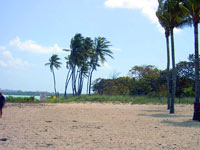 Located on Key Biscayne off the Rickenbacker Causeway lies an 82-acre barrier island called
Virginia Key. The property belongs to the City of Miami and is maintained by City of Miami
Parks and Recreation Department, the responsibility is shared in part with the Virginia
Key Beach Trust who manage the historic portion of the beach front and oversee the
preservation and future development of Virginia Key Beach.
For the safety of our visitors and your pets, we ask that you
refrain from bringing animals including dogs to Virginia Key, as
we have a lot of wildlife in this protected habitat. Service
animals are allowed.
Located on Key Biscayne off the Rickenbacker Causeway lies an 82-acre barrier island called
Virginia Key. The property belongs to the City of Miami and is maintained by City of Miami
Parks and Recreation Department, the responsibility is shared in part with the Virginia
Key Beach Trust who manage the historic portion of the beach front and oversee the
preservation and future development of Virginia Key Beach.
For the safety of our visitors and your pets, we ask that you
refrain from bringing animals including dogs to Virginia Key, as
we have a lot of wildlife in this protected habitat. Service
animals are allowed.
Virginia Key Beach Ocean Rescue Information:
Guard on Duty: The City of Miami Parks and Recreation Ocean Rescue Section boasts 3 elevated and mostly enclosed lifeguard towers, spaced approximately 150 yards apart.
City of Miami'spublic beach is professionally guarded 365 days year
- Winter (November-March): 8:15 a.m.-5:00 p.m.
- Summer (April-October): 9:15 a.m.-6:00 p.m.
Parking & Admission Fees to Virginia Key Beach:
(No
Re-Entry)
Parking Fees as of
February 27, 2017 will be collected through
the Pay by Phone and Pay By Plate program. You can download the Pay
by Phone app at
www.paybyphone.com or through the app store on your smartphone.
Fees:
- Weekdays - $6
- Weekends and Holidays - $8
- Buses - $25
- Annual Fee - $150*
*Instructions for purchasing the
annual pass will be updated shortly
No overnight parking is permitted in
the park
When visiting the Virginia Key North Point Park
check out the Virginia Key Outdoor Center
https://www.vkoc.net
You can find outdoor adventure resources for
biking, paddling and exploring the beautiful coastal environment
through their website.
In addition to the beaches and environmental restoration projects, the Virginia Key
Beach Park area also offers a 4.1 mile bike trail. Built through a collaborative effort
with volunteers and City resources, the bike trail offers novice thru advances riders
an opportunity to bike amongst native vegetation and along the coastal shores.
Additionally the Parks and Recreation Department is currently involved in the restoration
and preservation of the 15 acre Hammock area located on Virginia Key. This has involved the
removal of invasive exotic vegetation and restoring native plants to the area. During this
process many important botanical species have been discovered including some that are
classified as threatened or endangered such as Zanthoxylum coriaceum
(Biscayne Prickly Ash),
Coccothrinax argentata (Florida Silver Palm)
and Scaevola plumieri (Beachberry).
For historical background on Virginia Key and to find out what the future holds for the
area please visit the Virginia Key Beach Park Trust at:
www.virginiakeybeachpark.net


